Skip to content

Cleaning machines for pet owners

Pet households break machines in a specific way: hair wraps the roller, and damp organic matter in a tank goes off. Both are design questions, not effort questions.

Animals do not make a house dirtier so much as differently dirty, and the differences map onto specific machine features.

Hair, and the roller

Hair wraps. Assume it. What matters is whether the roller comes out without a tool, and whether the maker still sells replacements. A tangle-cutting comb built into the dock is worth more than most headline specifications.

Smell is a roller-hygiene problem

Look for a stated roller wash temperature and a drying cycle. Where a maker publishes 85 or 90 °C (194 °F) plus a five-minute dry, they have understood the failure. Where they publish nothing, plan to remove and dry the roller yourself after every single use.

Accidents need extraction, not wiping

A floor washer wipes hard floors. What has gone into a rug or a sofa needs spraying and vacuuming back out, and only spray extraction does that. Use an enzyme-based upholstery solution — it breaks down what causes the smell rather than masking it.

Muddy paws at the door

A small wet and dry vacuum by the back door handles the daily reality better than any of the above, because it takes wet and dry without a filter swap and can be emptied outside.

Which washer does your job need?

You have a shedding dog or cat
Hair is the constant problem, and tangle-resistant brushes and good filtration are what matter.
You have accidents on carpet
A carpet cleaner that extracts, because blotting alone leaves what causes the smell.
You have muddy paws
A floor washer or a wet and dry vacuum near the door changes the daily routine.
Someone in the house has allergies
Filtration and machine sealing together, since dander is finer than hair.

Picking by the surface

Daily hair collection

The relentless part. A robot or a vacuum used often keeps it from accumulating into a bigger job.

Accidents

Where extraction and an appropriate product together remove what causes the smell, rather than masking it.

Muddy floors

Where a floor washer handles wet and dry in one pass by the door.

Bedding and upholstery

Where hand tools and good suction do more than any household attachment.

What to measure, and what to ignore

Tangle resistance
Hair wraps around brush rolls. Designs that resist it save the weekly job of cutting hair out with scissors.
Filtration
Dander is fine and it is what allergy sufferers react to. Filter class and machine sealing matter together.
Extraction for accidents
A carpet cleaner that pulls liquid back out is what removes the source of the smell. Surface treatment does not.
Ease of emptying
With pets you empty more often. A machine that is unpleasant to empty is a machine you empty less.
Odor management
Machines that hold damp hair develop smells. Self-cleaning and drying functions matter more in a pet household.

Which figure for which surface

The problemThe machineThe key feature
Constant hairVacuum or robotTangle-resistant brush
Accidents on carpetA carpet cleanerReal extraction
Muddy pawsA floor washerWet and dry in one pass
AllergiesFiltration and sealingBoth together

What to avoid doing

Treating an accident on the surface only
What causes the smell soaks into the backing and underlay. Extraction and an appropriate product are what remove it.
Ignoring the brush roll
Hair wraps around it and strangles the motor's efficiency. Cutting it out regularly is routine in a pet household.
Using heat on an accident
Heat can set some stains and odors permanently. Cold extraction first is the safer sequence.
Storing machines with damp hair inside
That is where odors come from, and once a machine smells it stops being used.

By how hard you will work it

The shedding dog household
Needs daily hair collection and a machine that resists tangling above all.
The household with an older pet
Needs a carpet cleaner with real extraction close to hand.
The allergy household
Needs filtration and sealing together, and frequent cleaning rather than deep cleaning.

Servicing, storage and working life

Pet households clog filters and wrap brush rolls faster than any other, and machines that hold damp hair develop odors quickly. A vacuum that has lost suction in a pet home almost always has a filter and a brush that need attention rather than a fault.

  • Cut hair from brush rolls regularly; it is the routine job in a pet household.
  • Clean or replace filters more often than the general schedule suggests.
  • Empty and dry anything that holds damp hair before storing it.
  • Rinse carpet cleaner tanks and hoses after every accident cleaned.

Safety

Pets, chemicals and machines together.

  • Keep pets away from cleaning chemicals, which are more dangerous to them than to you.
  • Let carpets dry fully before letting pets back on them.
  • Store detergents where a curious animal cannot reach them.
  • Introduce robot vacuums gradually; some animals find them distressing.

The picks, and what decided them

The questions we hear

Which machine deals with hair best?

The one whose roller you can get out and clear in seconds. Hair wraps every roller ever made; what varies is whether removing it needs a tool and five minutes or a clip and thirty seconds. On robots, look for a rubber or anti-tangle roller rather than bristles.

Why does everything start to smell after a few weeks?

Because damp organic matter sits in a tank or on a roller between uses. That is the whole mechanism. Machines with a hot roller wash and a drying cycle break it; machines without one need the roller taken out and dried by hand after every use, which is the step people stop doing.

What is the most useful machine in a pet household?

A vacuum with a tangle-resistant brush used often, because hair is the constant problem. A carpet cleaner comes next if there are accidents.

How do I remove the smell of an accident?

By extracting what soaked in rather than treating the surface. A carpet cleaner and an appropriate product together do what blotting cannot.

Should I use hot water on an accident?

Heat can set some stains and odors permanently. Cold extraction first is the safer sequence.

Do robot vacuums cope with pet hair?

Daily collection is where they help most, provided the brush resists tangling and the dock empties itself in a shedding household.

Why does my vacuum smell?

Usually damp hair held in the brush or the bin. Emptying and drying, and cutting hair from the roll, prevents it.

What matters for allergies?

Filter class and how well the machine seals, together. Dander is fine, and a good filter in a leaky machine achieves little.

Each washer, and the job behind it

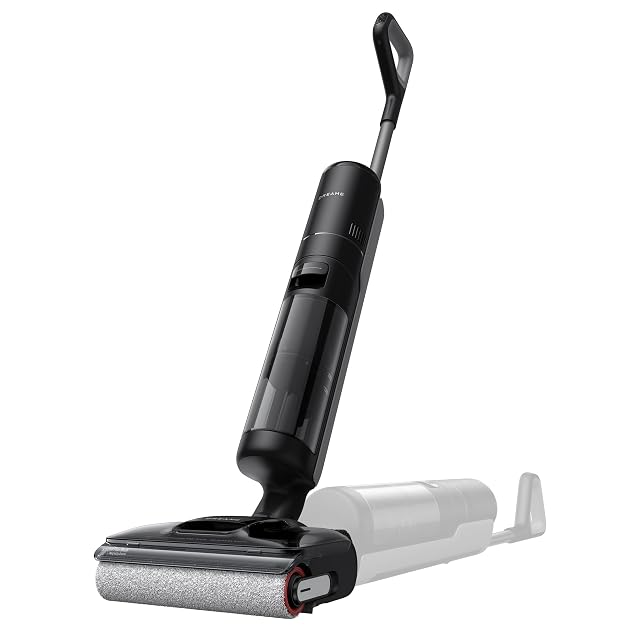
Dreame H12 Pro FlexReach

Meant for: Hard floors in a family home — spills, paw prints and daily crumbs, cleaned in one pass
Where it is strongest: 90 °C (194 °F) roller wash and a five-minute dry cycle — the answer to the smell that kills these machines

Where it is weakest: Consumables — rollers and filters — are model-specific and a real running cost

Read the full review →

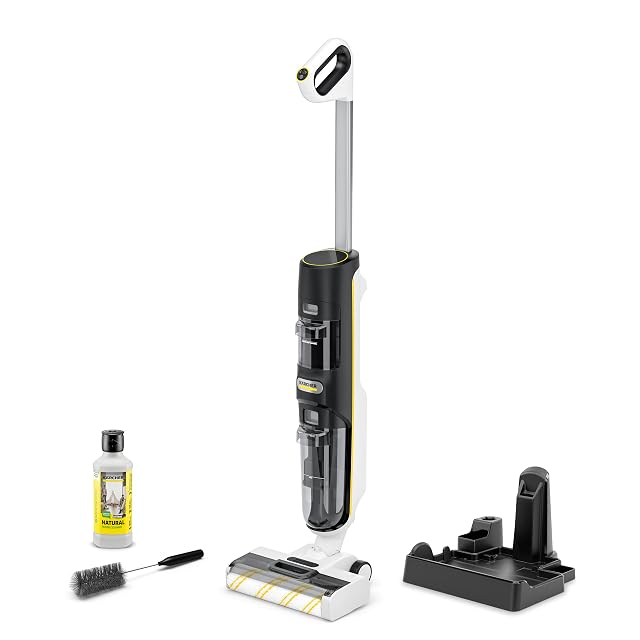
Kärcher FCV 4 Natural N

Meant for: A house with mixed floors and stairs, cleaned weekly, where the machine has to look after itself

Where it is strongest: Self-cleaning runs while charging, so the roller is dealt with without a separate step

Where it is weakest: No runtime beyond an approximate figure, and no published weight

Read the full review →

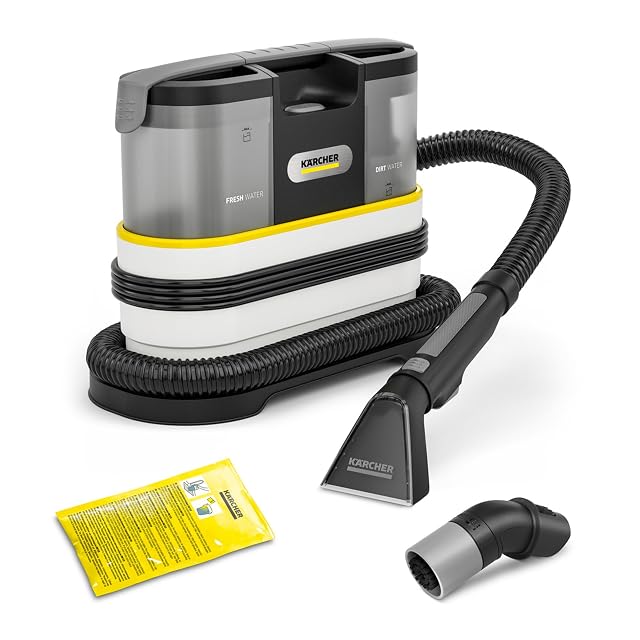
Kärcher SE 2 Spot Care

Meant for: Households with children, pets or a car interior that sees food

Where it is strongest: 6.3 m (21 ft) of reach: a car can be done from a socket in the garage

Where it is weakest: Not a whole-carpet machine: the tank and the head are sized for spots

Read the full review →

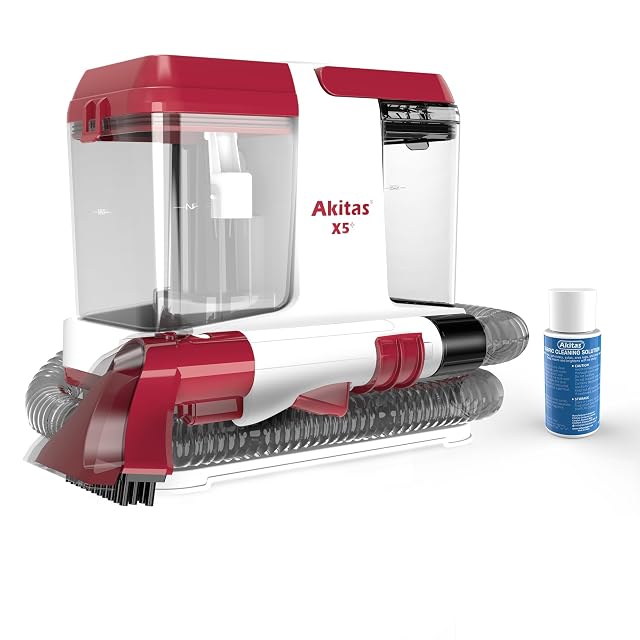
Akitas X5

Meant for: A first spot-cleaning machine for accidents on a sofa or a car seat

Where it is strongest: Two separate tanks at the lowest price in this family

Where it is weakest: Verified absent from the US and UK stores

Read the full review →

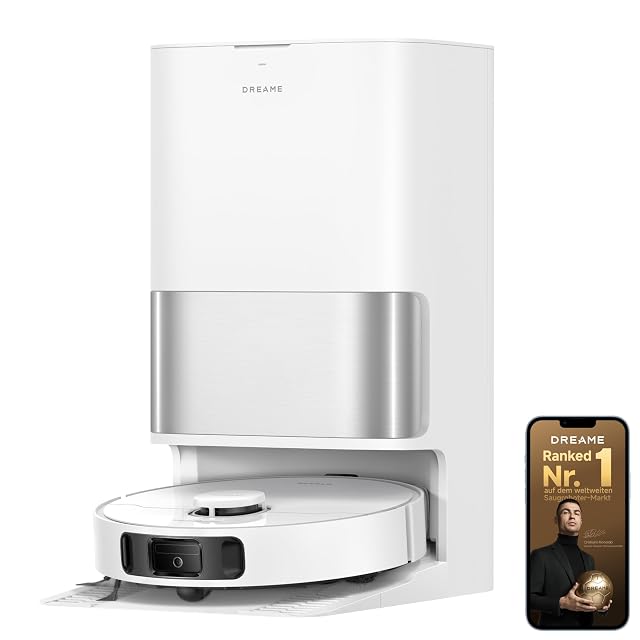
Dreame L40 Ultra A

Meant for: Pet households wanting flagship features without flagship pricing

Where it is strongest: Dual anti-tangle brushes — the maintenance specification that matters with pets

Where it is weakest: The listing itself calls it an interim replacement for another model — support lifetime is a fair question

Read the full review →

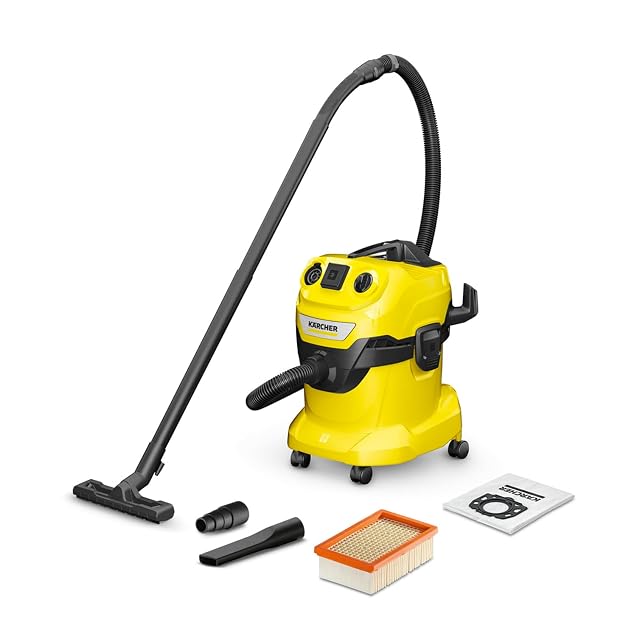
Kärcher WD 4 P V-20/5/22

Meant for: A workshop where a sander, a router or a mitre saw is used indoors

Where it is strongest: Power take-off socket: plug in a sander and the vacuum starts and stops with it

Where it is weakest: Price differences between markets are unusually wide on this model

Read the full review →

What you get for each level of spend

What you will need too

Lances, nozzles and detergents from the same aisle, at the price we read. Confirm the fit against the machine you choose before ordering: it turns on the coupling and the part number, which the listing gives.

The short of it

Comparisons that are worth it

Comparisons we have already run between two washers from this guide or this aisle.

What this page is based on

The washers above come from the catalog of this site. Specifications are those the manufacturer and the Amazon page publish; prices are what Keepa reported for the date below, and both move. The order follows declared specifications, stated strengths weighed against stated limits, and price. No machine here has been put to work by us, and nothing on this page pretends otherwise.

Last checked on

Prices quoted in these summaries are dated readings. The live price is shown next to each product.

The tool we use ourselves

Chosen your machine? Now buy it at the right price.

Pressure washers and floor washers swing by a hundred dollars or more across the year, and the biggest "discounts" often land at prices the same model sold for six weeks earlier. UniverTrack tracks the real price history across retailers, spots fake reductions, and alerts you when it is genuinely the moment to buy.

Real price historyBuy-now alertsAI buying assistant
Try free for 14 days →
No commitment · Cancel in one click · 5 languages