Skip to content

Choosing a robot vacuum mop

Suction figures have inflated past the point of meaning. These are the specifications that decide whether the robot is still running next year.

Four things separate robots in practice, and none of them is the headline suction figure.

Anti-tangle brushes

In a household with long hair or a shedding dog, hair wrapped around the roller is the weekly job that ends most robots’ careers. Designs that route hair off the ends of the brush — Ecovacs calls it ZeroTangle — genuinely reduce it.

Mop lifting

Without it, a mopping robot damps every rug it crosses. With it, the pads are raised or ejected before the machine reaches carpet. Confirm it on any robot that mops.

Extending edges

A round machine cannot clean into a right angle. Extending the side brush helps; extending the mop pad matters more, because the film along a kitchen kickboard is what you actually see.

The dock

Omni-type stations empty, wash and dry. They also occupy a permanent meter of floor next to a socket, and they consume bags. Price the consumables before choosing the brand.

Which washer does your job need?

You want daily maintenance without effort
A robot handles the baseline, and that is what it is genuinely good at.
You have hard floors and rugs
Mop-lifting on carpet matters, or the robot will drag a wet pad across your rugs.
You have pets
A self-emptying dock and tangle-resistant brushes are the two features that matter most.
You expect a deep clean
A robot maintains; it does not replace a proper vacuum on a Saturday.

Picking by the surface

Daily maintenance

The real strength. Keeping dust and hair from accumulating so the weekly clean is smaller.

Hard floors

Where mopping works reasonably on light, fresh dirt and where expectations should stay modest.

Pet households

Where daily hair collection is transformative and where self-emptying earns its cost.

Deep cleaning

Where a robot is not the answer, and where a proper vacuum still does the job.

What to measure, and what to ignore

Navigation
Whether it maps the home or bumps around randomly. Mapping makes coverage predictable and lets you send it to one room.
Mop lifting
Whether the mop raises over carpet. Without it, a wet pad is dragged across every rug in the house.
The dock
Self-emptying, mop washing and drying. These features are the difference between a robot that reduces work and one that adds a chore.
Obstacle handling
Cables, socks and pet accidents. A robot that spreads a mess across a floor is a memorable failure.
Consumables
Brushes, filters, mop pads and dust bags. These are ongoing costs that are easy to overlook when comparing machines.

Which figure for which surface

Your homeThe featureWhy
Hard floors and rugsMop liftingA wet pad on carpet
PetsSelf-emptying dockDaily hair volume
Cluttered floorsObstacle avoidanceCables and socks
Multiple roomsMappingPredictable coverage

What to avoid doing

Expecting it to replace a vacuum
A robot maintains a baseline. Deep cleaning, stairs and upholstery still need a proper vacuum, and expecting otherwise leads to disappointment.
Not tidying before it runs
Cables, socks and small toys are what stop robots. Two minutes of tidying is what makes the run succeed.
Ignoring the mop pad
A dirty pad spreads dirt. Docks that wash and dry the pad solve this; without one, it is a manual job after every run.
Forgetting the consumables
Brushes, filters and pads all wear. A robot with cheap consumables costs less to live with than its price suggests.

By how hard you will work it

The busy household
Wants daily maintenance handled and accepts the robot is not a deep clean.
The pet owner
Wants self-emptying and tangle-resistant brushes above everything else.
The rug owner
Needs mop lifting, or the machine will drag a wet pad across every rug.

Servicing, storage and working life

Robots need more hands-on care than people expect: brushes tangle with hair, sensors get dusty and mop pads sour if left damp. A robot that has started missing areas usually has dirty sensors rather than a fault.

  • Cut hair from the brush roll regularly; it is the commonest maintenance job.
  • Wipe the sensors and camera; dust there causes erratic navigation.
  • Wash and dry mop pads rather than leaving them damp in the dock.
  • Replace filters on the maker's schedule; suction drops quietly without.

Safety

Mostly about the home rather than the user.

  • Tidy cables and small items before a run so nothing is dragged.
  • Use no-go zones around pet bowls and delicate items.
  • Keep the dock clear and on a hard surface.
  • Be aware the robot maps your home; check the maker's data practices if that concerns you.

The picks, and what decided them

The questions we hear

Is 25,000 Pa meaningfully better than 4,000 Pa?

On rugs and pet hair, yes, clearly. On a hard floor with daily dust, far less than the ratio suggests — the brush design and the airflow path matter as much as the number. Treat suction figures as a class indicator rather than as a linear measure.

What does a robot cost to run?

Side brushes, roller brushes, filters, mop pads and dock dust bags, all model-specific. Over three years they come to a meaningful fraction of the machine. Check the parts are still sold for your exact model, not just for the brand — a discontinued platform is an expensive ornament.

Does a robot replace my vacuum?

No. It maintains a baseline between deep cleans and handles daily dust and hair. Stairs, upholstery and thorough cleaning still need a proper vacuum.

How well do they mop?

Reasonably on light, fresh dirt. Dried-on spills need real pressure, which a robot cannot apply. Treat it as maintenance mopping.

Do I need mop lifting?

If you have rugs, effectively yes. Without it a wet pad gets dragged across carpet, which is worse than not mopping at all.

Is a self-emptying dock worth it?

In pet households particularly. It turns emptying from a frequent chore into an occasional one, which is what keeps the robot in use.

Why does mine keep missing rooms?

Often dirty sensors or a mapping problem, sometimes an obstacle it treats as a wall. Wiping the sensors solves a surprising share of it.

Each washer, and the job behind it

Ecovacs Deebot T50 Omni Gen3

Meant for: Homes with hard floors and rugs where the robot must handle corners and low obstacles alone
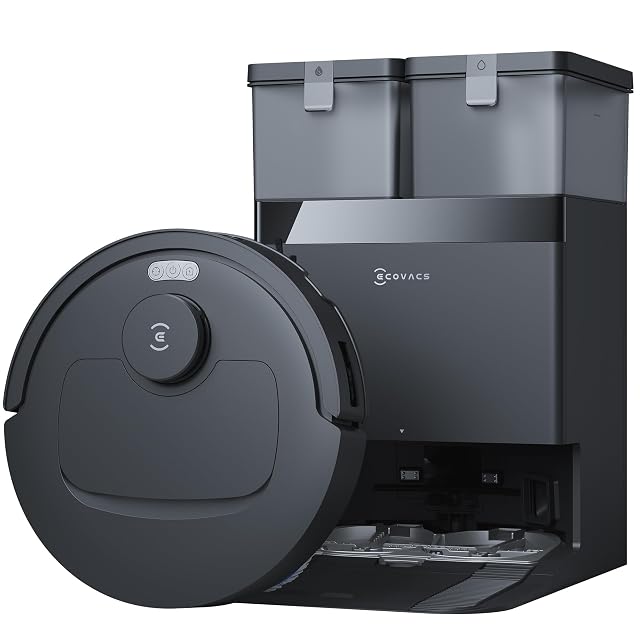
Where it is strongest: The mop pad itself extends into corners, not just the brush

Where it is weakest: Omni docks are large, and they need a permanent floor position with power

Read the full review →

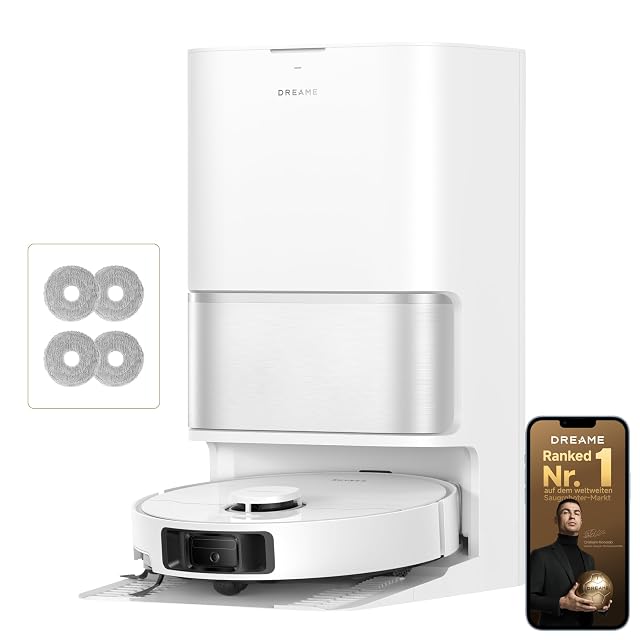
Dreame L10s Ultra Gen 3 Kit

Meant for: Mixed hard floors and rugs, in a home where the robot runs daily

Where it is strongest: Both the brush and the mop extend for corners and low furniture

Where it is weakest: Priced at the top of this group

Read the full review →

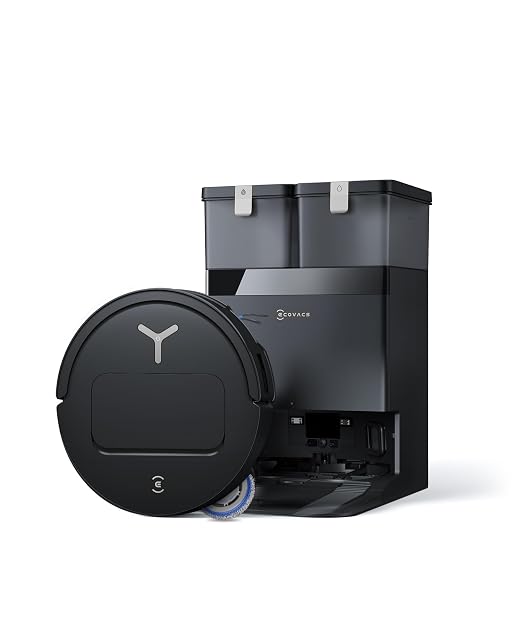
Ecovacs Deebot T30e Omni

Meant for: Households with pets or long hair, on open hard floors

Where it is strongest: Anti-tangle brush design — the difference between weekly maintenance and none

Where it is weakest: No extending mop, so corners are less well covered than on the T50

Read the full review →

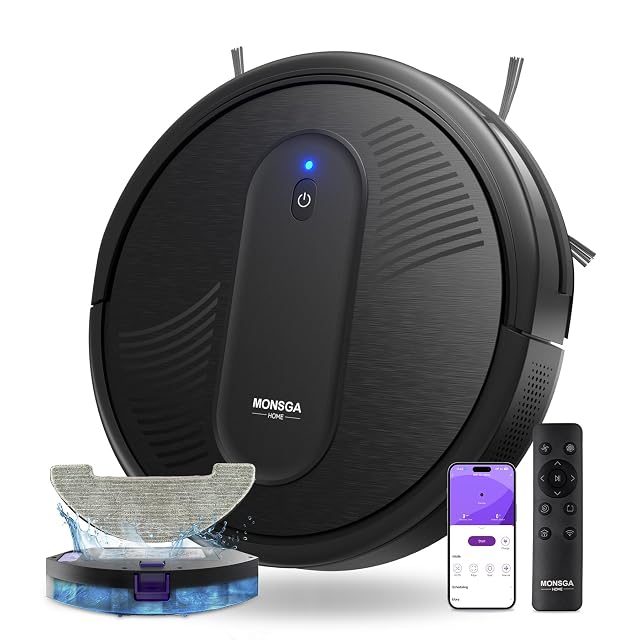
MONSGA 3-in-1 Robot Vacuum Mop

Meant for: A flat with hard floors, as a daily maintenance machine rather than a cleaner

Where it is strongest: 140 minutes of runtime — longer than several machines costing five times more

Where it is weakest: 4,000 Pa is a fraction of the flagships' figures, and it shows on rugs

Read the full review →

What you get for each level of spend

What you will need too

Lances, nozzles and detergents from the same aisle, at the price we read. Confirm the fit against the machine you choose before ordering: it turns on the coupling and the part number, which the listing gives.

The short of it

What this page is based on

The washers above come from the catalog of this site. Specifications are those the manufacturer and the Amazon page publish; prices are what Keepa reported for the date below, and both move. The order follows declared specifications, stated strengths weighed against stated limits, and price. No machine here has been put to work by us, and nothing on this page pretends otherwise.

Last checked on

Prices quoted in these summaries are dated readings. The live price is shown next to each product.

The tool we use ourselves

Chosen your machine? Now buy it at the right price.

Pressure washers and floor washers swing by a hundred dollars or more across the year, and the biggest "discounts" often land at prices the same model sold for six weeks earlier. UniverTrack tracks the real price history across retailers, spots fake reductions, and alerts you when it is genuinely the moment to buy.

Real price historyBuy-now alertsAI buying assistant
Try free for 14 days →
No commitment · Cancel in one click · 5 languages