Skip to content

Choosing a steam cleaner

The specification that matters most is not pressure. It is whether you can refill the machine without waiting for it to cool.

Three specifications decide how a steam cleaner behaves. Pressure is only one of them.

Refilling

A sealed boiler must depressurize and cool before it takes water — fifteen minutes, in the middle of a job. The Kärcher SC 3 refills like a kettle while working; the Polti Vaporetto machines use a separate cold tank feeding the boiler, which gives boiler pressure without the wait. Both arrangements beat a single sealed vessel.

Heat-up

Thirty seconds means the machine gets used on a hob before dinner. Six and a half minutes means it gets used when you have already decided to spend the morning cleaning. Neither is wrong — they suit different habits, and the price gap between them buys exactly that.

Pressure, and the dial

Three bar to five, across this comparison. Higher pressure means drier steam. More useful than the extra bar is an adjustable steam control, which is what makes one machine safe on sealed wood and glass as well as on tile grout.

Which washer does your job need?

You want to clean without chemicals
Steam is the main argument for these machines, and it is a real one.
You have hard floors and tiles
A steam cleaner with floor attachments, or a dedicated steam mop.
You clean grout and bathrooms
A handheld or cylinder machine with detail nozzles, which is where steam shows best.
You have delicate surfaces
Check what steam does to them first, because heat and moisture damage some materials.

Picking by the surface

Kitchens and bathrooms

Where steam loosens grease and grime in grout and around fittings without chemicals.

Hard floors

Where a steam cleaner with a floor head works, though a dedicated steam mop is easier for that one job.

Detail cleaning

Where small nozzles reach into places a cloth cannot, and where steam is genuinely better than scrubbing.

Fabrics and upholstery

Where steam refreshes but does not extract, which is a different machine's job.

What to measure, and what to ignore

Heat-up time and tank size
How long before you can start and how long before you must stop. Both shape whether the machine gets used.
Refillable while hot or not
Some machines must cool before refilling. On a long job that pause is the whole experience of owning it.
Pressure and steam control
Adjustable output matters, because delicate surfaces need less than grout does.
Attachments
Detail nozzles, brushes and floor heads decide what the machine can actually do. They matter more than the headline specification.
What steam must not touch
Unsealed wood, some laminates, delicate finishes and anything that swells with moisture. Knowing the exclusions comes before buying.

Which figure for which surface

What you cleanThe machineThe caution
Grout and bathroomsCylinder with detail nozzlesTest on old grout
Hard floors onlyA steam mopNot for unsealed wood
Mixed household tasksA cylinder machineRefill and heat-up times
UpholsterySteam refreshes onlyExtraction is another machine

What to avoid doing

Using steam on unsealed wood
Heat and moisture together lift and swell wood. It is the commonest expensive mistake with these machines.
Expecting steam to extract dirt
Steam loosens; a cloth or the machine's pad removes. Without wiping, the dirt simply resettles.
Using tap water where the maker forbids it
Limescale destroys boilers. Where the manual specifies distilled or filtered water, that instruction is protecting the machine.
Holding steam in one place
Concentrated heat marks surfaces and can crack cold glass. Keeping the head moving is the basic technique.

By how hard you will work it

The chemical-free household
Uses steam for kitchens, bathrooms and floors, and accepts it takes more time than sprays.
The detail cleaner
Uses a handheld with small nozzles for grout, taps and appliance edges.
The floor-focused user
Is better served by a dedicated steam mop than by a cylinder machine with a floor head.

Servicing, storage and working life

Steam cleaners are destroyed by limescale, which builds inside the boiler where you cannot see it. A machine that takes longer to heat and spits water is descaling territory, and in hard water areas the schedule matters far more than people expect.

  • Descale on the maker's schedule, and more often in a hard water area.
  • Use the water type the manual specifies; some boilers require distilled.
  • Empty the tank before storing rather than leaving water standing.
  • Wash the pads and cloths regularly; a dirty pad spreads what it collected.

Safety

Steam burns worse than hot water.

  • Never point the nozzle at people or animals; steam scalds instantly.
  • Let the machine cool and depressurize fully before opening the boiler cap.
  • Do not use steam on cold glass, which can crack from thermal shock.
  • Keep the cable clear of the wet area you are cleaning.

The picks, and what decided them

The questions we hear

How much boiler pressure do I need?

Three bar cleans a bathroom; four to five gives drier steam, which does more on grout and grease and leaves less water behind. The difference is real and modest — accessory choice and dwell time matter more.

What kills steam cleaners?

Limescale, not wear. It forms on the heating element, output falls gradually, and most owners blame the machine. Look up your water hardness, then either descale on the manual's schedule or buy a machine that takes a cartridge — and price the cartridges before choosing.

Does steam actually disinfect?

Steam at temperature reduces many surface contaminants, but the claim depends on temperature at the surface and contact time. Treat it as thorough cleaning rather than a guarantee.

Can I use steam on wooden floors?

Only on properly sealed floors, and even then with caution. On unsealed wood, heat and moisture lift and swell the boards.

Do I need distilled water?

Where the manual says so, yes. Limescale destroys boilers, and in hard water areas this is the difference between a machine that lasts and one that does not.

Steam cleaner or steam mop?

A mop is easier for floors alone; a cylinder machine with attachments does bathrooms, grout and detail work as well.

Why is my machine spitting water?

Often limescale, sometimes overfilling. Descaling on schedule prevents the first and reading the fill line prevents the second.

Does steam replace cleaning products?

For a lot of household cleaning it does, which is the main reason people buy one. It takes more time and technique in exchange.

Each washer, and the job behind it

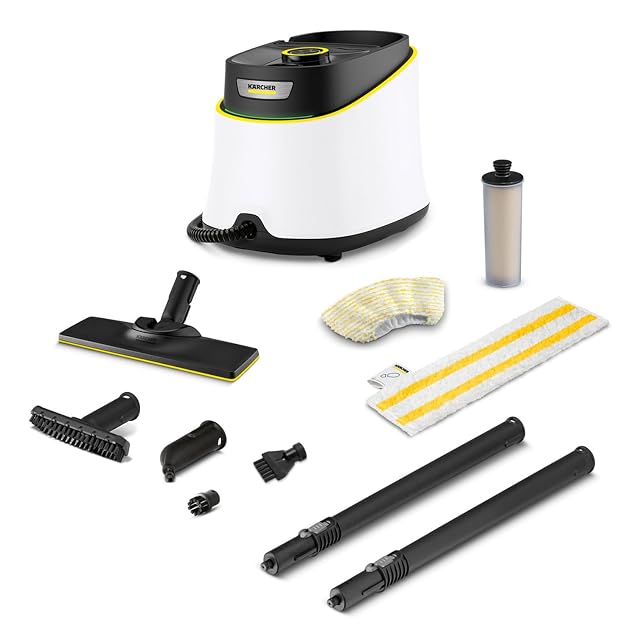
Kärcher SC 3 Deluxe

Meant for: Kitchens and bathrooms cleaned regularly, where the machine is picked up for twenty minutes at a time
Where it is strongest: Refillable mid-session — no depressurizing, no cooling down, no fifteen-minute pause

Where it is weakest: 3.5 bar is modest against the 4 and 5 bar Polti machines

Read the full review →

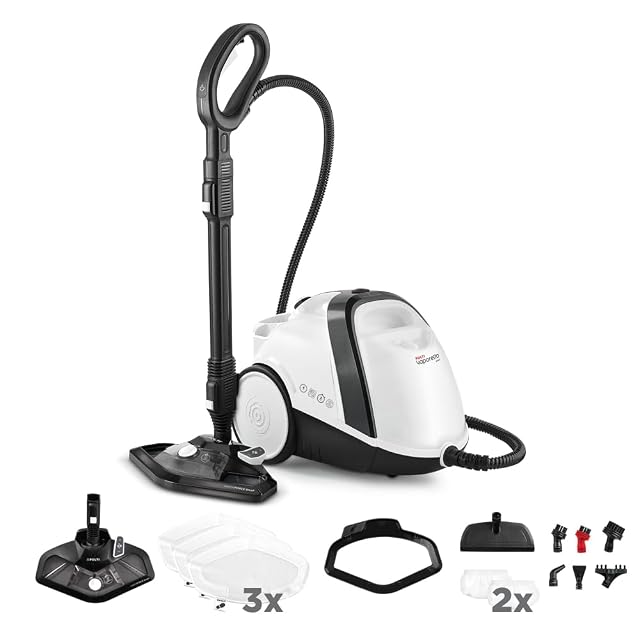
Polti Vaporetto Smart 120

Meant for: Whole-house sessions — several rooms in a row, where pressure and a large water supply both matter

Where it is strongest: 4 bar — half a bar more than the top domestic Kärcher here

Where it is weakest: Two minutes to heat, against thirty seconds on the Kärcher SC 3 Deluxe

Read the full review →

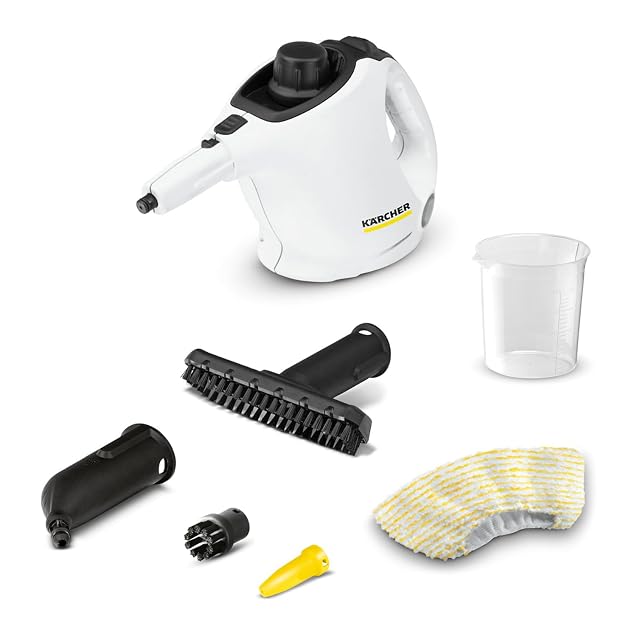
Kärcher SC 1

Meant for: Taps, sinks, wall tiles, mirrors, extractor hoods and hobs — detail work, not floors

Where it is strongest: 1.58 kg (3.5 lb) — light enough to hold above your head against an extractor hood

Where it is weakest: 200 ml is roughly twenty square meters, then it stops

Read the full review →

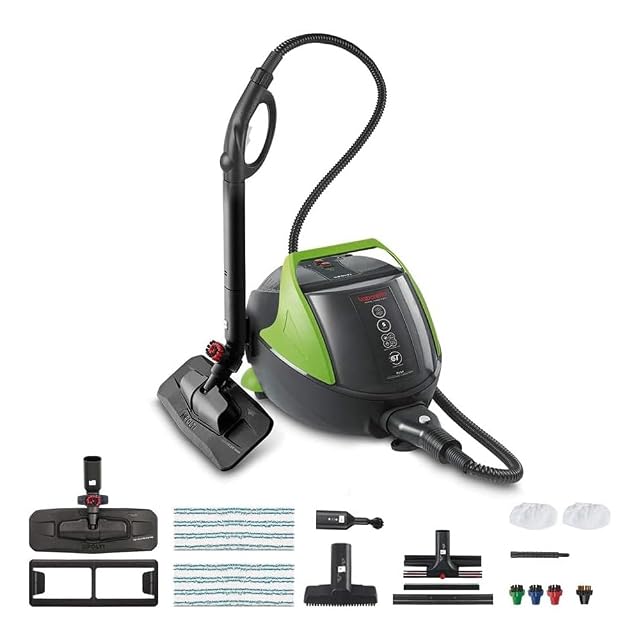
Polti Vaporetto Pro 95 Turbo Flexi

Meant for: Large houses, tiled floors throughout, or anyone cleaning several rooms in one session every week

Where it is strongest: 5 bar: the highest pressure in this group, and it shows on grout and grease

Where it is weakest: Costs roughly twice the Polti Smart 120 and three times a good steam mop

Read the full review →

What you get for each level of spend

Entry level

$50 – $60

2 models

Upper range

$220 – $270

2 models

What you will need too

Lances, nozzles and detergents from the same aisle, at the price we read. Confirm the fit against the machine you choose before ordering: it turns on the coupling and the part number, which the listing gives.

The short of it

Comparisons that are worth it

Comparisons we have already run between two washers from this guide or this aisle.

What this page is based on

The washers above come from the catalog of this site. Specifications are those the manufacturer and the Amazon page publish; prices are what Keepa reported for the date below, and both move. The order follows declared specifications, stated strengths weighed against stated limits, and price. No machine here has been put to work by us, and nothing on this page pretends otherwise.

Last checked on

Prices quoted in these summaries are dated readings. The live price is shown next to each product.

The tool we use ourselves

Chosen your machine? Now buy it at the right price.

Pressure washers and floor washers swing by a hundred dollars or more across the year, and the biggest "discounts" often land at prices the same model sold for six weeks earlier. UniverTrack tracks the real price history across retailers, spots fake reductions, and alerts you when it is genuinely the moment to buy.

Real price historyBuy-now alertsAI buying assistant
Try free for 14 days →
No commitment · Cancel in one click · 5 languages