Steam works here because the dirt is soap film, limescale and biological growth, all of which respond to heat.
Top down, always
Screen and tiles, then taps and basin, then floor. Working upwards means everything you loosen lands on a surface you have already done.
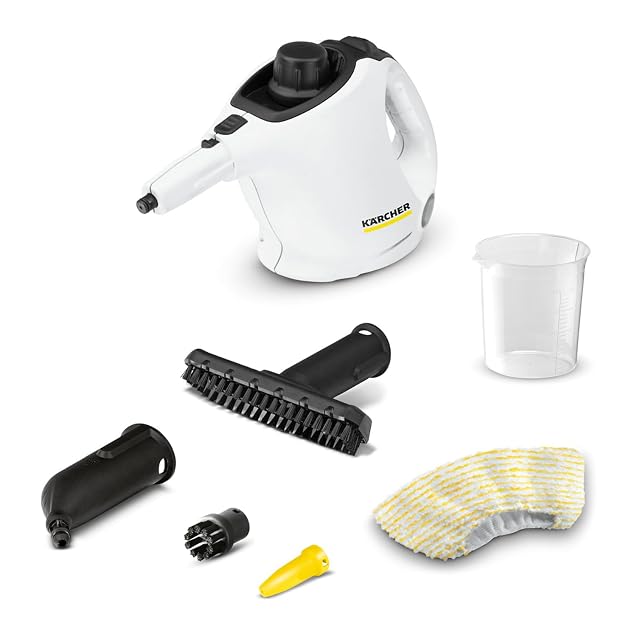
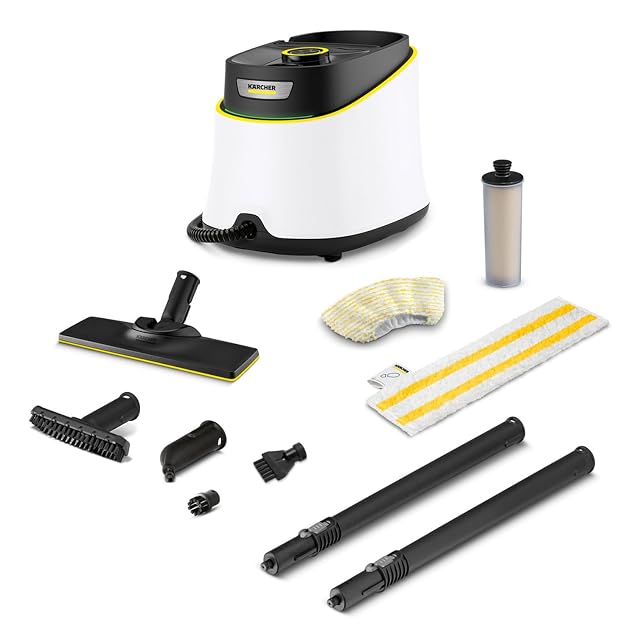
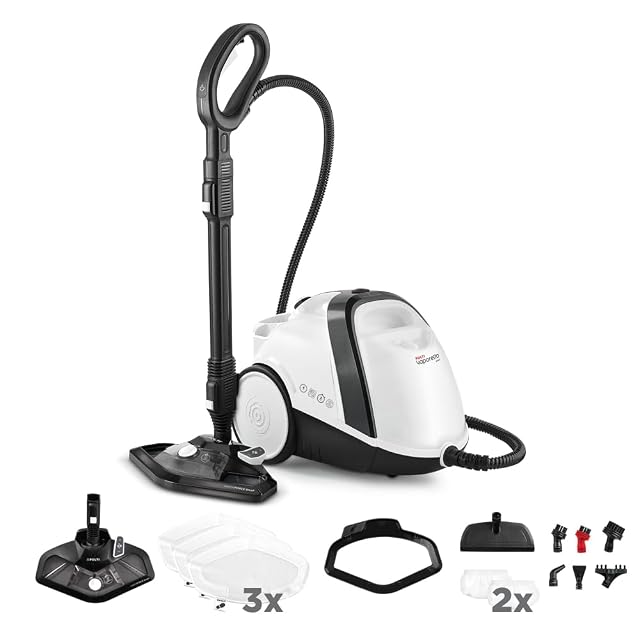
The detail nozzle on grout
A narrow nozzle at a shallow angle, moving slowly along the joint. Follow immediately with a cloth — steam lifts the dirt and puts it in suspension, and if it dries there you have simply moved it.
Silicone and sealant
Short passes. Held on one spot, steam softens sealant and can lift a bead off the tile. Keep moving.
Extractor fan and shower head
Two things people forget and two of the best results. The grille comes up in seconds, and a shower head held over the sink and steamed clears scaled nozzles.
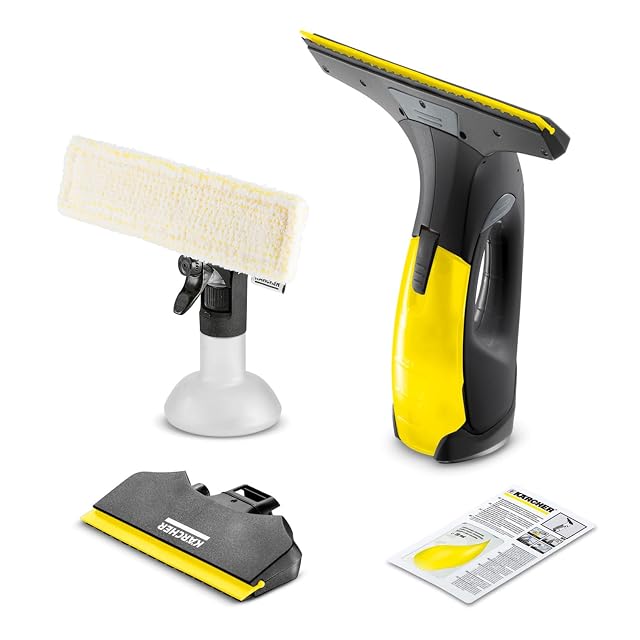
Finish with a window vacuum
The screen and the mirror are the surfaces where the last of the water shows. Blade them dry and the room actually looks cleaned.
The questions we hear
Will steam remove black mold from silicone?
It kills the surface growth and removes the film, and it does not remove the staining — black mold in silicone has pigmented the material itself. Once it is stained, the honest fix is to cut the bead out and replace it.
Is steam safe on grout?
On sound cement grout, yes, and it is one of the best uses for a steam machine. On crumbling or previously repaired grout, steam will find the weakness and take pieces out — which is information worth having, but do it knowing that.
Last reviewed 2026-08-16