Noise is the specification this category is worst at publishing, and the one your neighbors notice first.
Where the real risk is
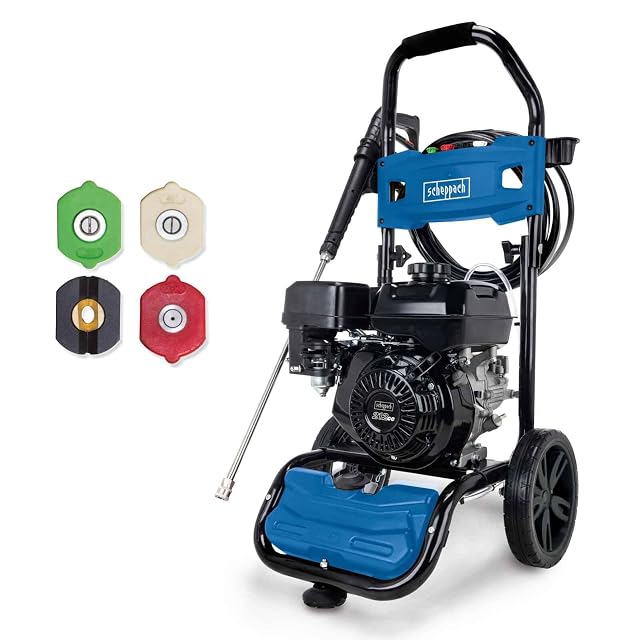
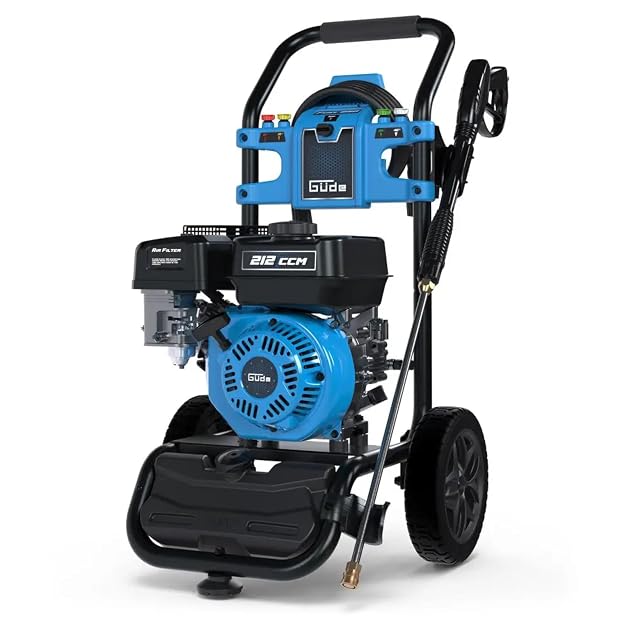
Petrol. Any small engine at working speed, used for an hour, is worth ear defenders. They cost very little and hearing loss does not come back.
Where it is a nuisance rather than a hazard
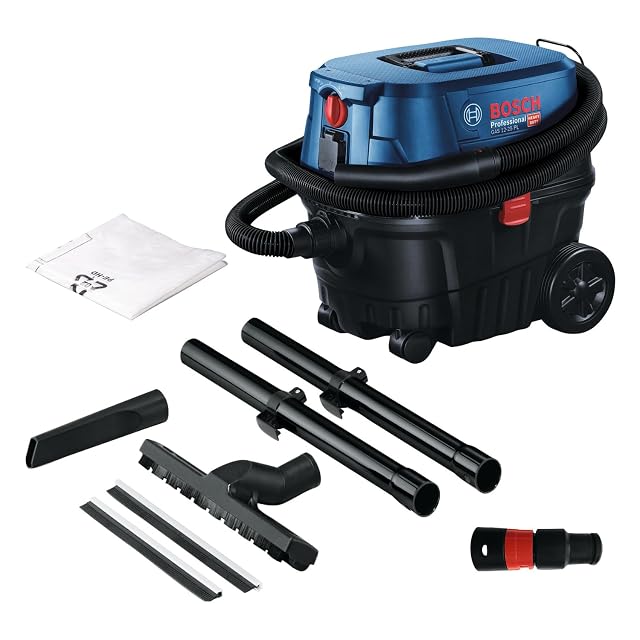
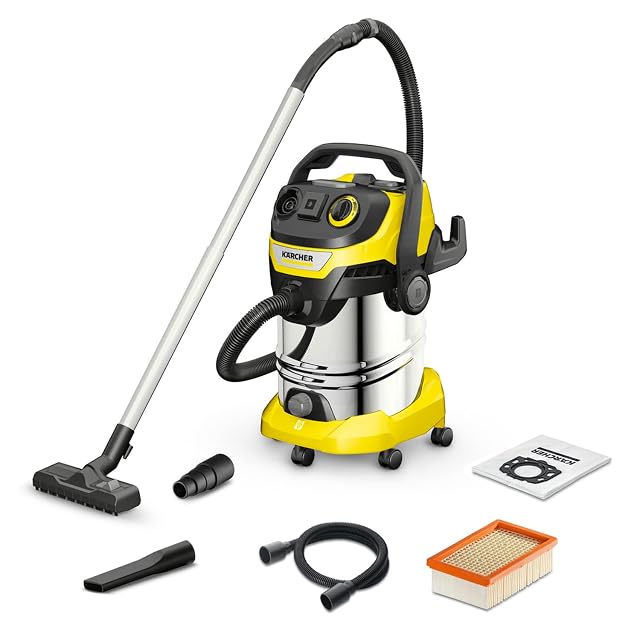
Workshop vacuums, sweepers and the louder domestic washers. Defenders are comfort here, not protection — though on a long session the difference in how tired you feel is real.
Reading the figures when they exist
Sound power (LWA) is what appears on the label and is always higher than what you hear; sound pressure at the operator position is the number that describes your experience. Comparing one against the other makes a quiet machine look loud.
Timing
Most local rules restrict powered garden equipment early, late and on Sundays. A petrol washer at eight on a Sunday morning is the single fastest way to fall out with a neighbor.
And the quiet option
For a small terrace, a domestic electric machine with a surface cleaner is far quieter than the petrol machine that would do it faster, and on a shared boundary that trade is usually worth making.
The questions we hear
Which machines here are actually loud enough to need protection?
Petrol pressure washers and petrol sweepers, without question — a small petrol engine at working speed is in the range where sustained exposure damages hearing. Workshop vacuums are borderline and unpleasant rather than dangerous. Electric domestic washers, steam machines and floor washers are not a hearing risk.
Why do so few listings give a figure?
Because a sound power level is a measured, certified figure and publishing it invites comparison. Where a maker does print one, take it as a good sign about the rest of the specification sheet — machines that publish the awkward numbers usually publish the useful ones too.
Last reviewed 2026-08-16