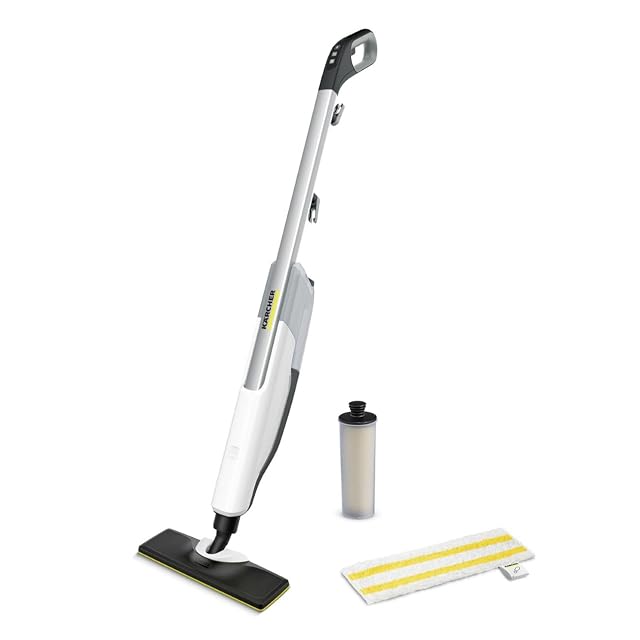
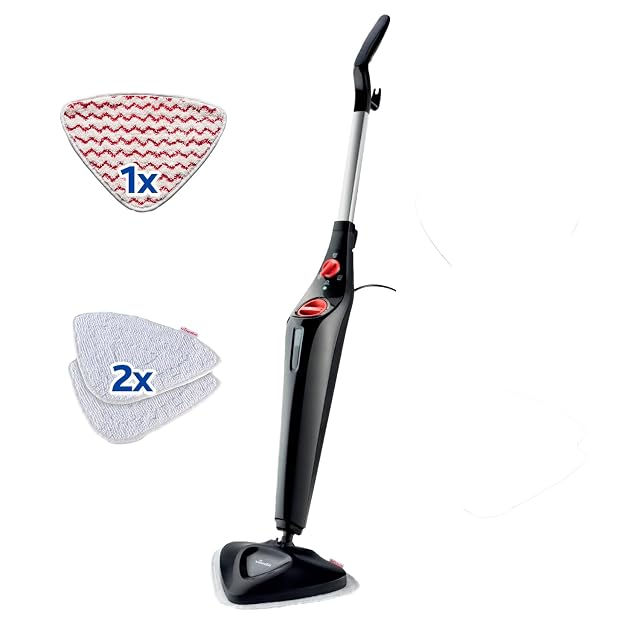
Steam is water plus heat, and a wood floor fails on both.
The mechanism
Steam condenses at the joint, wicks into the core, the core swells and the edge lifts. Nothing is visible while it happens. By the time the edges are proud, the boards have absorbed water repeatedly and the change is permanent.
Solid timber
Do not. A solid board moves with moisture by design, and repeated steaming cups the boards.
Engineered board and laminate
Only if the surface seal is unbroken and the joints are tight. Run a fingernail along a joint — if it catches, water is getting in. On the lowest setting, with a continuously moving pad, and never dwelling in a doorway.
The test that settles it
Steam a small area in a cupboard and look at it a week later, in raking light, at the joints. If nothing has moved, the floor is tolerating it.
What to do instead
A microfibre pad, barely damp, and a bucket. It cleans a sealed floor as well as steam does, because on a sealed floor the dirt is on top of the seal, not in the timber.
The questions we hear
My steam mop says it is safe on sealed wood. Is it?
On a floor whose seal is intact and whose joints are tight, on the lowest setting, with a pad that is damp rather than wet, and moving continuously — the risk is low. The problem is that none of those conditions is checked by the machine, and most floors fail at least one of them.
What about LVT and vinyl?
Sheet vinyl is usually fine. Click-fit LVT plank is not — the joints are the weakness and the adhesive under glued tiles softens with heat. Damp mopping does the same job with none of the risk.
Last reviewed 2026-08-16