Four rules, in order of how expensive breaking them is.
1. Never run it dry
Water first, machine second, always. A few seconds without water damages seals, and the damage is cumulative.
2. Never starve it
A half-open tap, a coiled hose, a blocked inlet filter or a suction lift that is too high all starve the pump. The symptom is pulsing; the cause is upstream of the machine nine times out of ten.
3. Never let it freeze
Water expands as it freezes and cracks a pump housing. Before the first frost: disconnect, run the machine briefly to clear the water, pull the trigger to release pressure, and store it above freezing. This is the single most common way domestic pressure washers die, and it is not a warranty repair.
4. Never store it pressurized
Pull the trigger with the machine off after use, to release the pressure. It relieves the hose and the gun as well as the pump, and it makes the next start easier.
And on trade machines
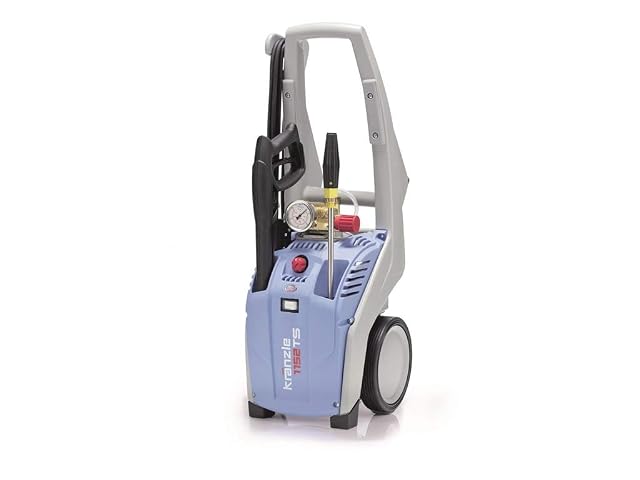
An axial pump is generally replaced whole; a triplex pump takes new seals. If the machine will work weekly for years, that difference is what you are paying for.
The questions we hear
How long can a machine run dry?
Seconds. Seals rely on water for lubrication and cooling, and they are damaged before you notice the sound has changed. Connect the water first, always, and stop the machine before the tank does when drawing from a butt.
Is it bad to leave the machine running while I move something?
On most domestic machines the pump idles under pressure and the water heats up. A few seconds is nothing; several minutes is heat where you do not want it. Switch off if you are stepping away — it also removes the risk of a trigger being pulled by a child.
Last reviewed 2026-08-15