The cheapest components decide how well the most expensive ones perform.
Softener is the enemy
Fabric softener works by depositing a coating on fibers. Microfibre works by not having one. One wash with softener and a pad pushes water around instead of picking it up — and it does not recover.
Heat and lint
High dryer heat melts the fiber tips. Cotton towels shed lint that packs into the fibers. Wash microfibre with microfibre, warm, and line dry or tumble low.
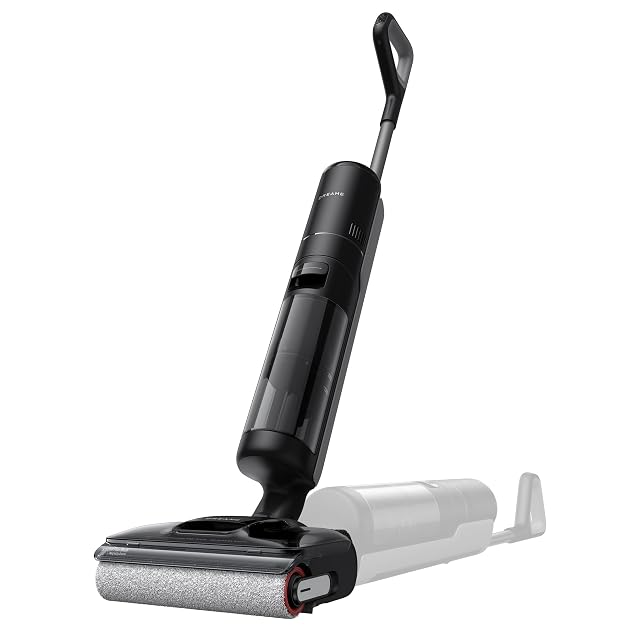
Floor washer rollers
Different problem: they sit damp in a dock. Machines with a hot wash and a drying cycle handle it themselves; machines without one need the roller removing and drying, or the kitchen will tell you within a week.
Keep enough of them
Owning two pads means using a tired one. Owning eight means the routine is: finish, drop it in the basket, fit a fresh one. Pattern sets make that affordable — check the edges lie flat on the plate before buying more.
The questions we hear
How should microfibre be washed?
Warm enough to release grease, no fabric softener, no high heat in the dryer, and not in the same load as cotton towels. Softener coats the fibers and lint clogs them — both stop the pad absorbing, permanently.
When should a roller be replaced?
When the bristles or fibers are matted flat and the machine leaves water behind. On floor washers this usually happens sooner than people expect, and it is the cheapest possible way to restore performance.
Last reviewed 2026-08-15