Four families, four different precautions.
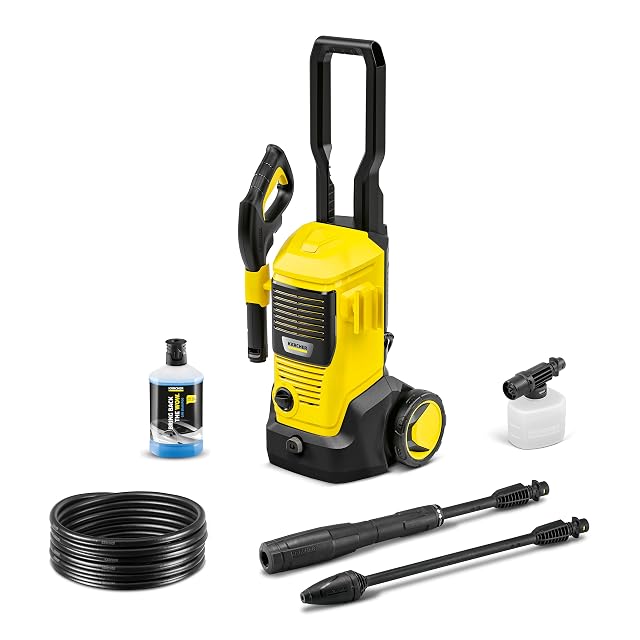
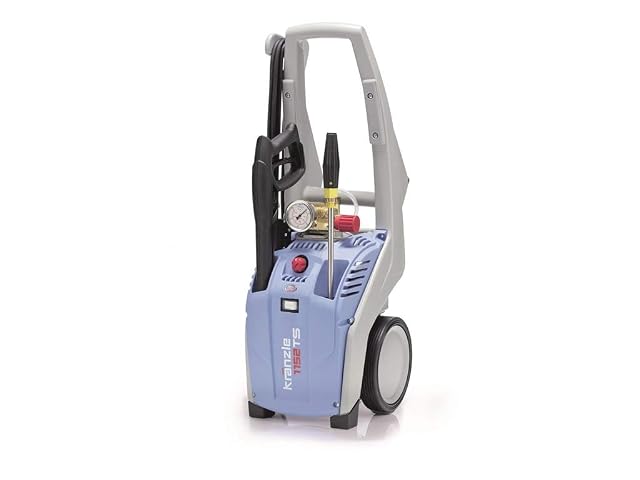
Pressure washers: get the water out
Disconnect the supply, run the machine briefly with the trigger open until it stops delivering, then drain the hose and the lance. In a garage that reliably freezes, a pump antifreeze through the inlet is the belt-and-braces version.
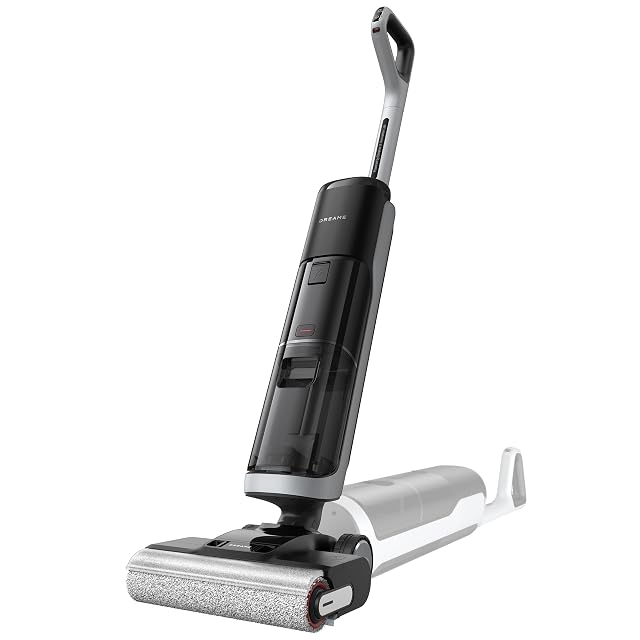
Batteries: charge them warm
Floor washers, window vacuums and robots. Bring the machine or the pack indoors to charge, store around half charge, and expect a cold pack to show less runtime until it warms up — that part is temporary.
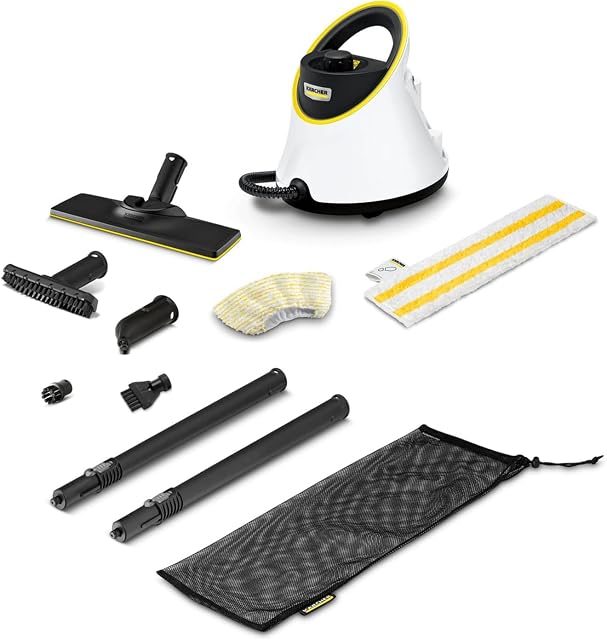
Steam machines: empty the boiler
Not for frost, mostly, but because water standing in a warm-then-cold boiler for four months is how scale and corrosion get a head start.
Vacuums: empty and open
A drum with damp debris and a closed lid is a mold culture by February. Empty, wipe, leave the head off or the catches undone.
And the hoses
Coiled loosely, off a concrete floor, not hanging on a nail with a kink in them. Cold rubber takes a set, and the kink becomes a split.
The questions we hear
What exactly does frost do to a pressure washer?
Water trapped in the pump head expands as it freezes and cracks the housing or the valves. The machine looks fine and leaks or loses pressure the first time you use it in spring. It is not covered by any warranty, because it is preventable.
Can I leave a battery machine in the cold?
Store it there if you must, but charge it indoors, and never charge a pack that is below freezing — that is what permanently damages lithium cells. Long cold storage at a full or empty charge also loses capacity; around half charge is kindest.
Last reviewed 2026-08-16